
Shoeing
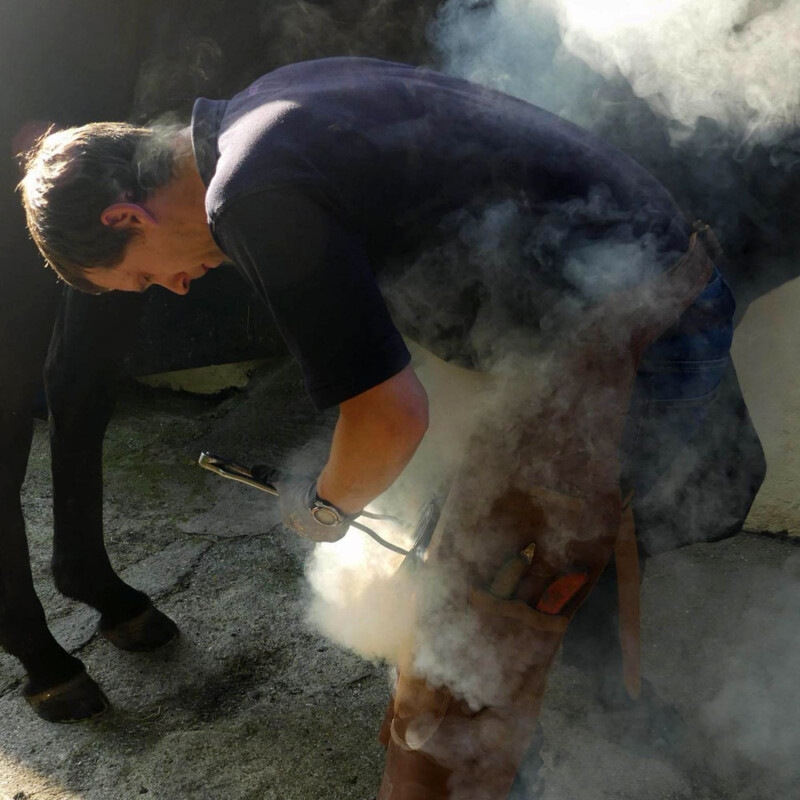 Your horse, our craft
Keeping your horse comfortable, balanced, and performing at its best starts with the right shoeing. We provide a full range of traditional farriery services tailored to meet your horse (or donkey’s) individual needs.
Our shoeing services begin with a full assessment and trim, much like our barefoot trims. However, during a shoeing appointment we adapt the trim to prepare the hoof for a shoe.
Effective shoeing is not a one-size-fits-all solution. We take the time to assess your horse carefully, and each set of shoes is designed to address specific issues — supporting your horse’s health and performance with features such as:
- Protection from excessive wear, damage or trauma
- Support to optimise limb balance or manage an injury/pathology
- Grip to reduce the risk of slipping or injury
During your shoeing appointment we will:
- Assess conformation and foot balance — ideally both statically (while standing) and dynamically (while moving), where the horse’s temperament and environment allow
- Create an individual trimming and shoeing plan — taking into account factors such as conformation, foot shape, workload, environment, and any past issues. We will discuss your horse’s routine and history with you in order to gather as much information as possible
- Determine the shoeing cycle — for example, longer cycles (6–8 weeks) require shoeing to accommodate hoof growth. The interval is tailored to each horse’s needs
- Provide flexibility without hidden costs — we do not charge extra if new conventional steel shoes are required as part of the plan (additional charges only apply for shoeing extras, when required)
- Use premium materials — our shoes are fitted with anti-microbial coated nails to support long-term hoof health
- Encourage owner feedback — we review each horse’s progress at follow-up appointments to adapt the plan as needed. We also welcome any feedback from you that will help us to improve our service – see our Feedback page for details
Complimentary Shoe Replacement – New for 2026: If your horse loses a shoe within 4 weeks of their shoeing appointment we will put it back on for free – with no additional call out charges, providing that
New for 2026: If your horse loses a shoe within 4 weeks of their shoeing appointment we will put it back on for free – with no additional call out charges, providing that:
- You are able to wait until we are working in your area
- The working environment and horses temperament don’t hinder the shoeing process
- That the shoe is not worn out and needs replacing.
If your horse requires remedial shoeing, please contact us to discuss options and costs.
Shoeing Extras
All costs for Shoeing Extras and Additional Services are detailed on our Prices page.
Scroll down for details of our Additional Services
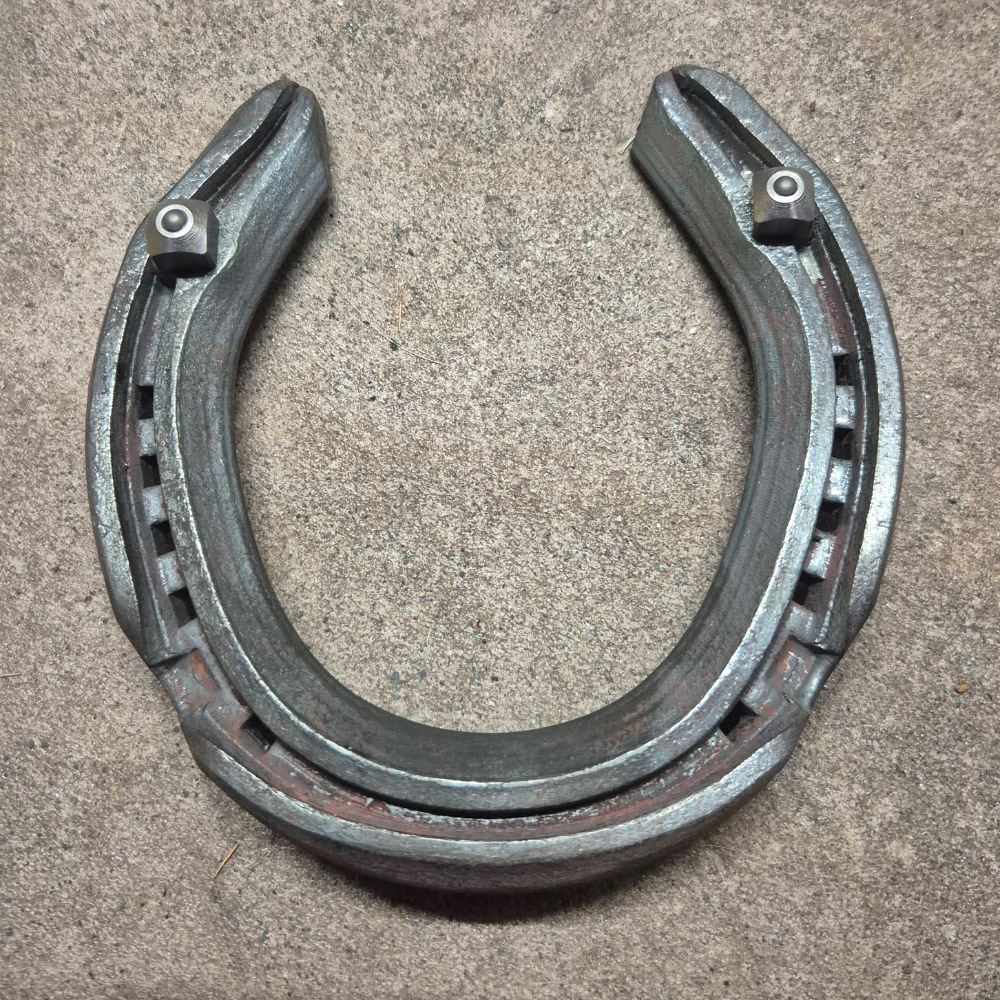
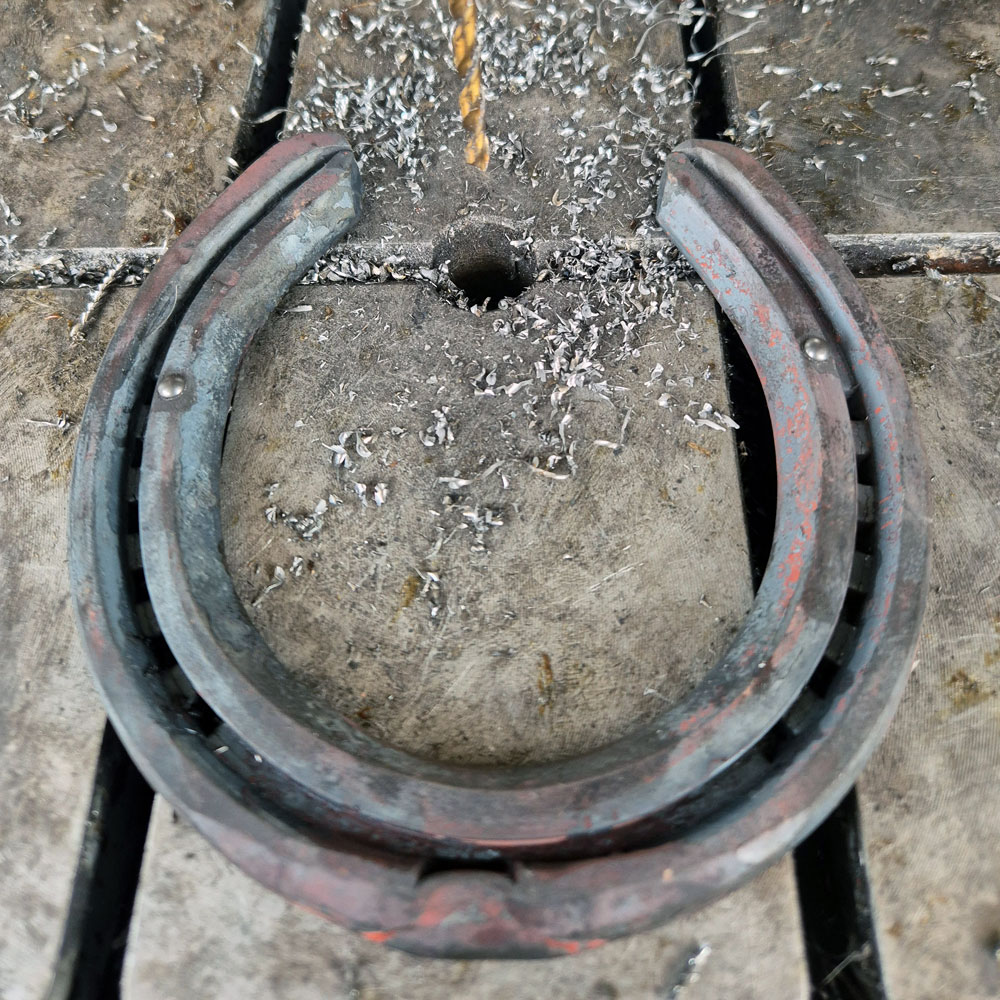
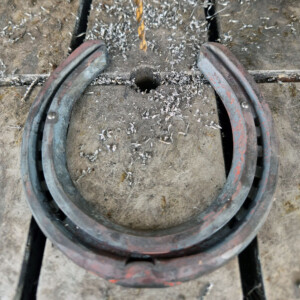 Road pins and road nails are used to provide extra grip on hard surfaces such as roads or concrete. They are made using tungsten, which is harder than steel, which means that they continue to protrude even as the shoe wears down, providing additional traction.
To maintain balance, we always fit two pins per shoe — one on the inside and one on the outside branch — to prevent twisting or torsion in your horse’s limb, when the shoe meets the ground.
- Road nail: the tungsten pin is set into the head of a nail
- Road pin: a solid tungsten pin is inserted into a hole drilled directly into the shoe
We will recommend the most suitable option for your horse, but can always adapt based on your feedback and the horse’s performance.
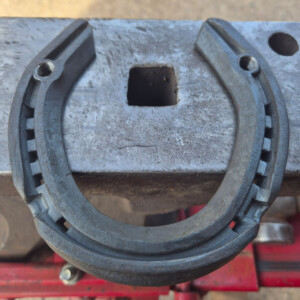
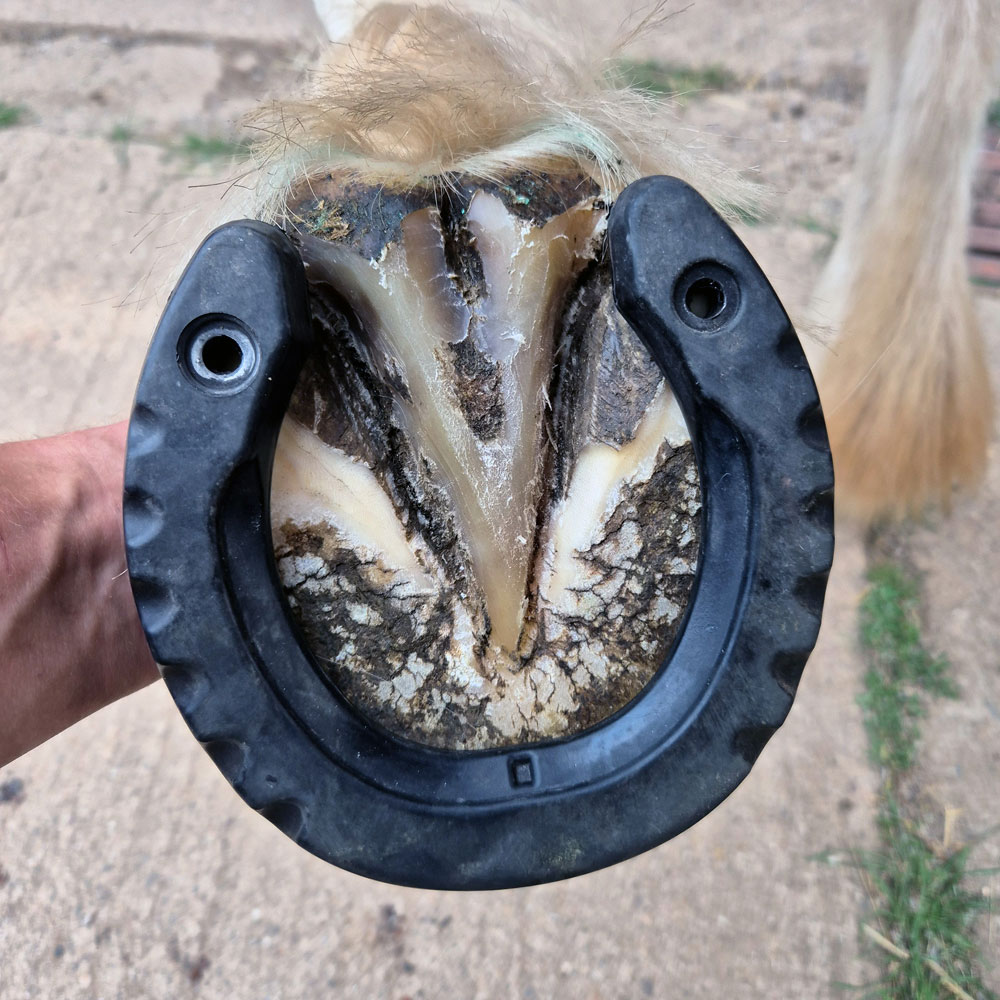
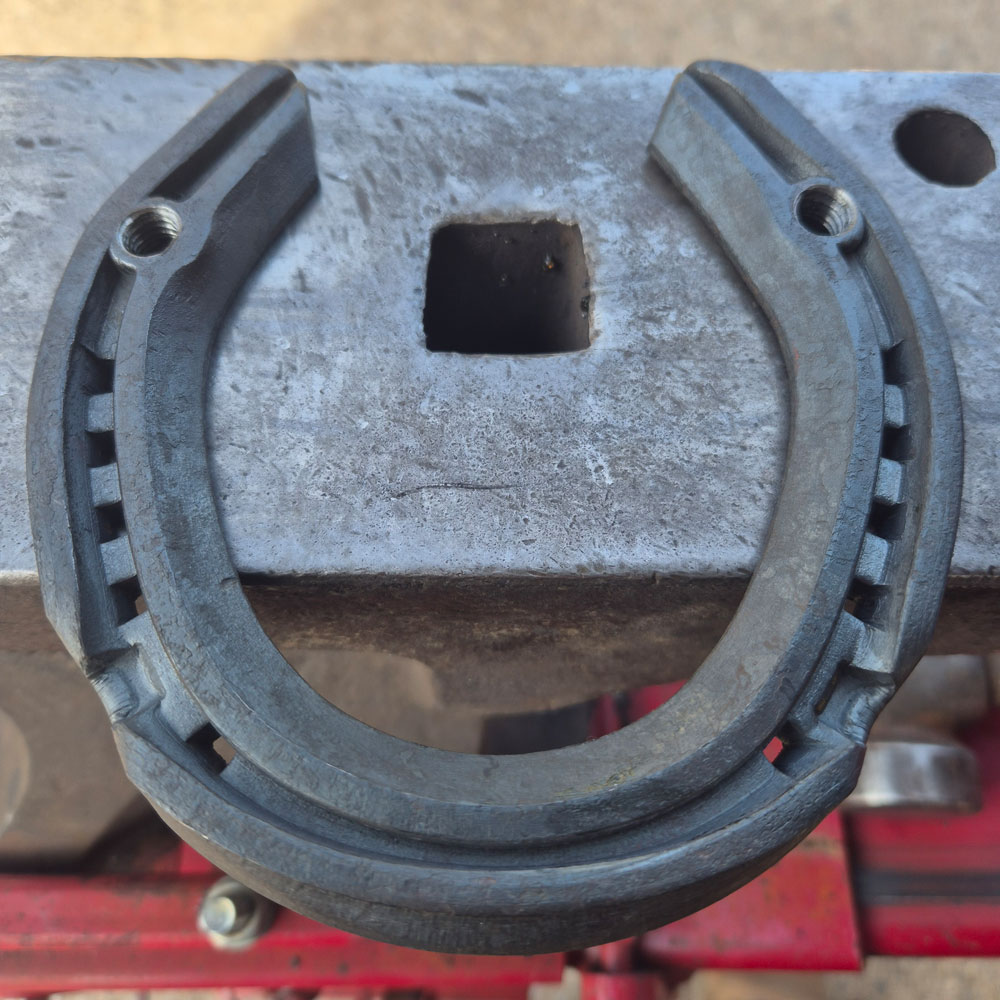
A stud hole is a threaded hole drilled into the shoe, allowing a stud to be temporarily screwed in when extra grip is needed. Each hole is ⅜ inch in diameter, and a wide range of stud types and sizes are available from suppliers, so the most suitable option can be chosen for different ground conditions.
Because balance is so important to limb health, we apply two stud holes per shoe (one on the inside branch and one on the outside branch). This gives the rider the option of fitting two studs if needed, helping to reduce twisting or torsion of the limb on impact with the ground.
Please note: some equestrian disciplines (e.g. polo) have specific rules on stud hole placement. If this applies to your horse, let us know so we can ensure compliance. You can see more examples of different types of horse shoe studs in the gallery below.
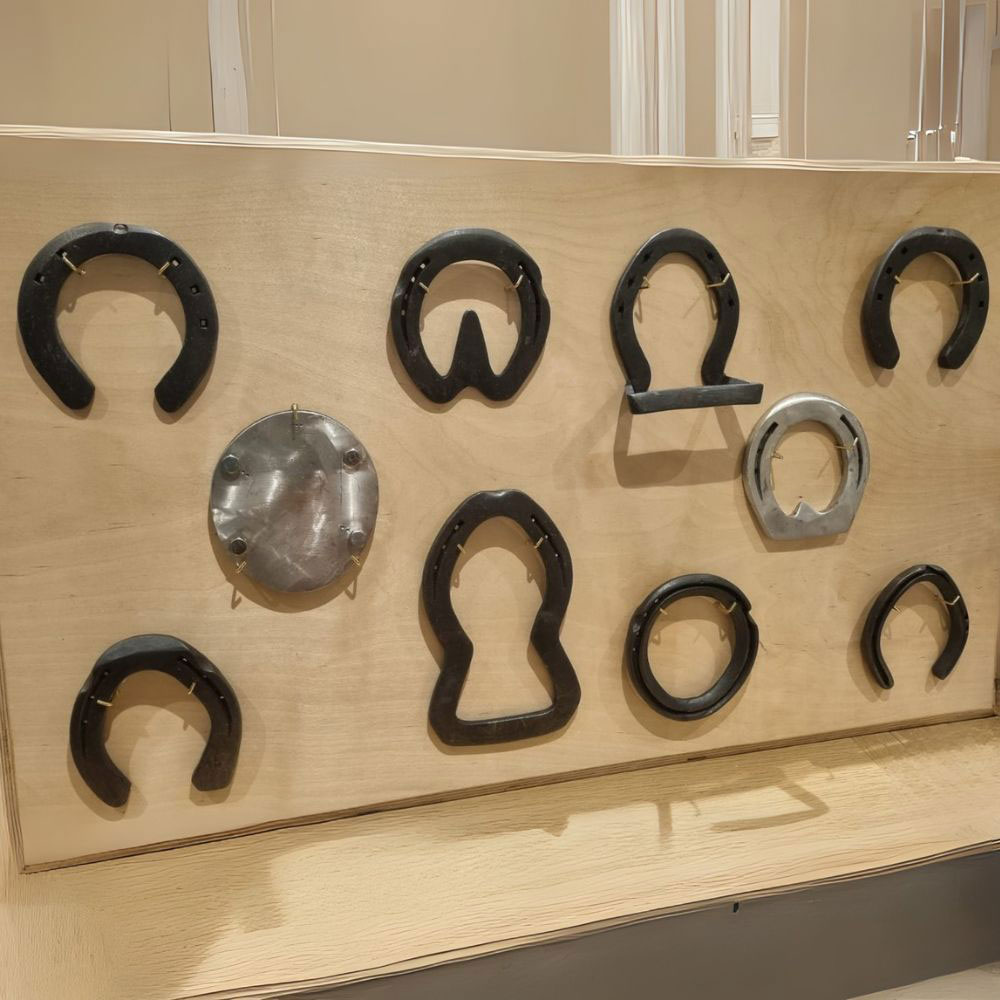
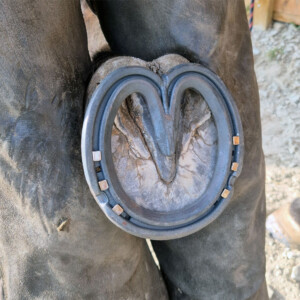 Bar shoes can be fitted to provide greater stability to the hoof capsule, offer additional support, or relieve stress and strain on specific areas of the hoof.
Bar shoes are continuous shoes with no opening at the heel and are available in a variety of styles and designs. We select the type of bar shoe for your horse based on the features that will be most beneficial for their individual needs.
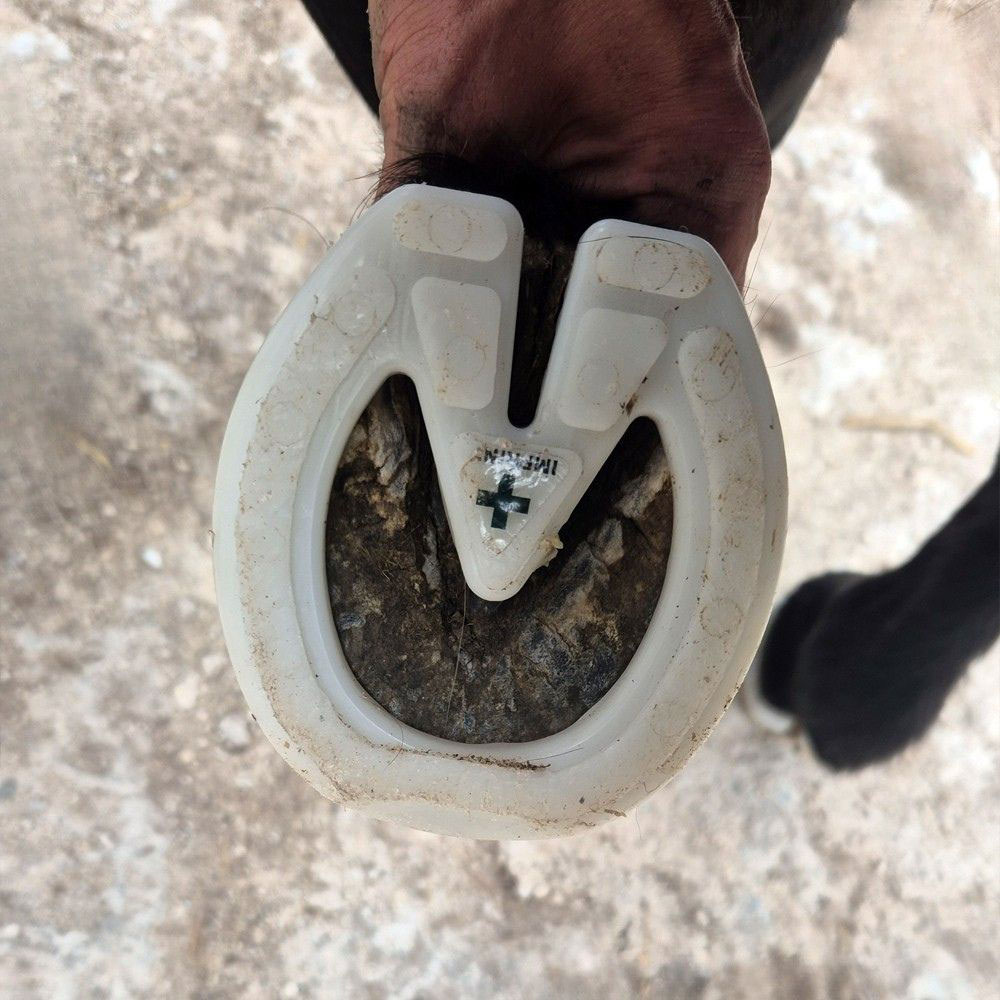
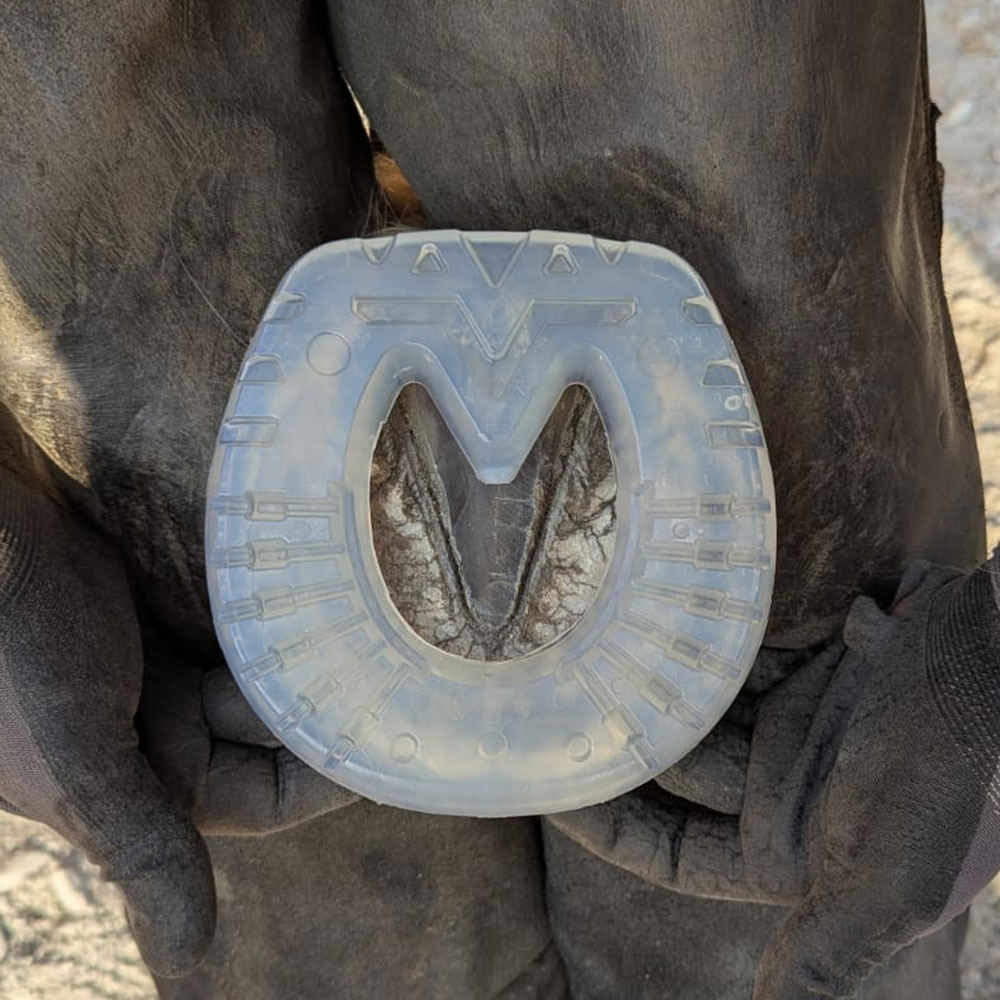
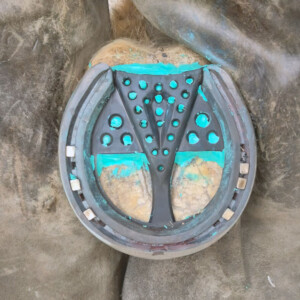 Pads were traditionally used to provide extra protection across the sole area of the foot. Modern pads, however, often incorporate a synthetic frog design that offers digital support and encourages natural frog function — similar to a barefoot horse, but with the protection of a shoe.
There are many different styles available, and we will select the type of pad most suitable for your horse’s individual needs if and when they are required.
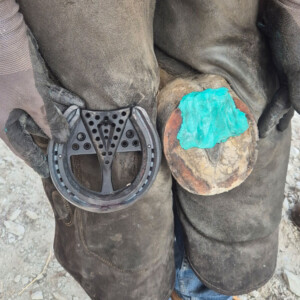 Because pads cover the sole and frog, pad packing is recommended underneath hoof pads to help maintain a healthy hoof environment. We use an antimicrobial coating within the packing to reduce the risk of thrush and other unwanted bacterial or fungal activity underneath the pad.
Packing also enables digital support pads to function correctly, engaging the frog and digital cushion, to effectively simulate the way that a barefoot hoof loads. The firmness (shore rating) of the packing can be adjusted to suit your horse’s specific needs.
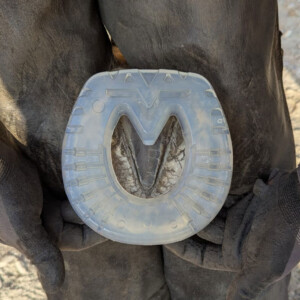
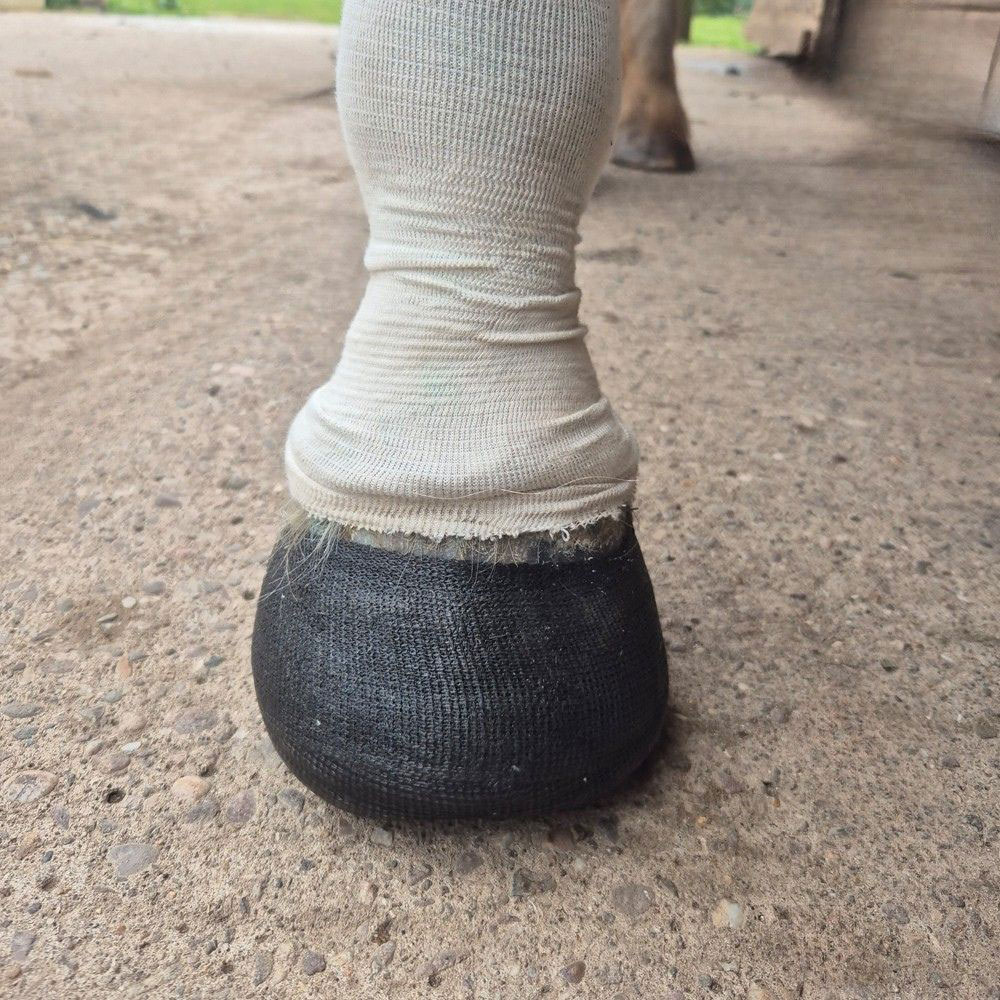
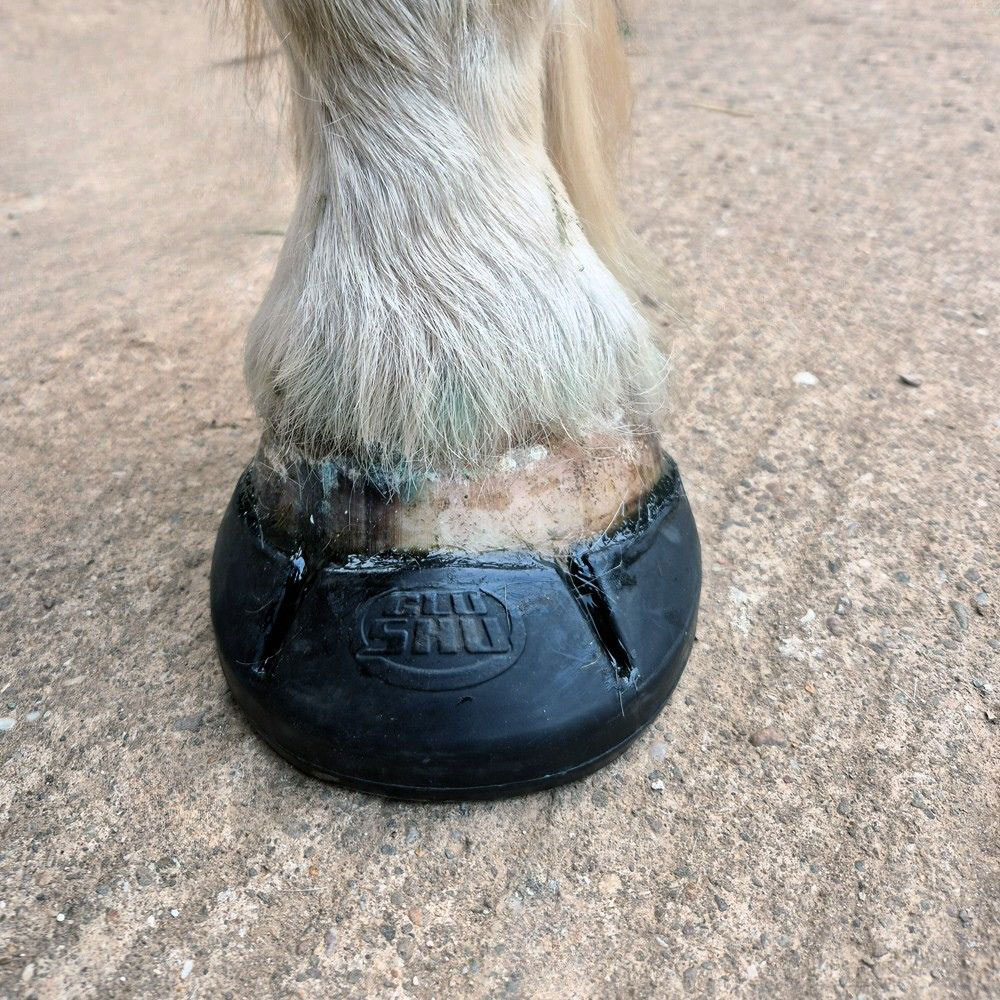
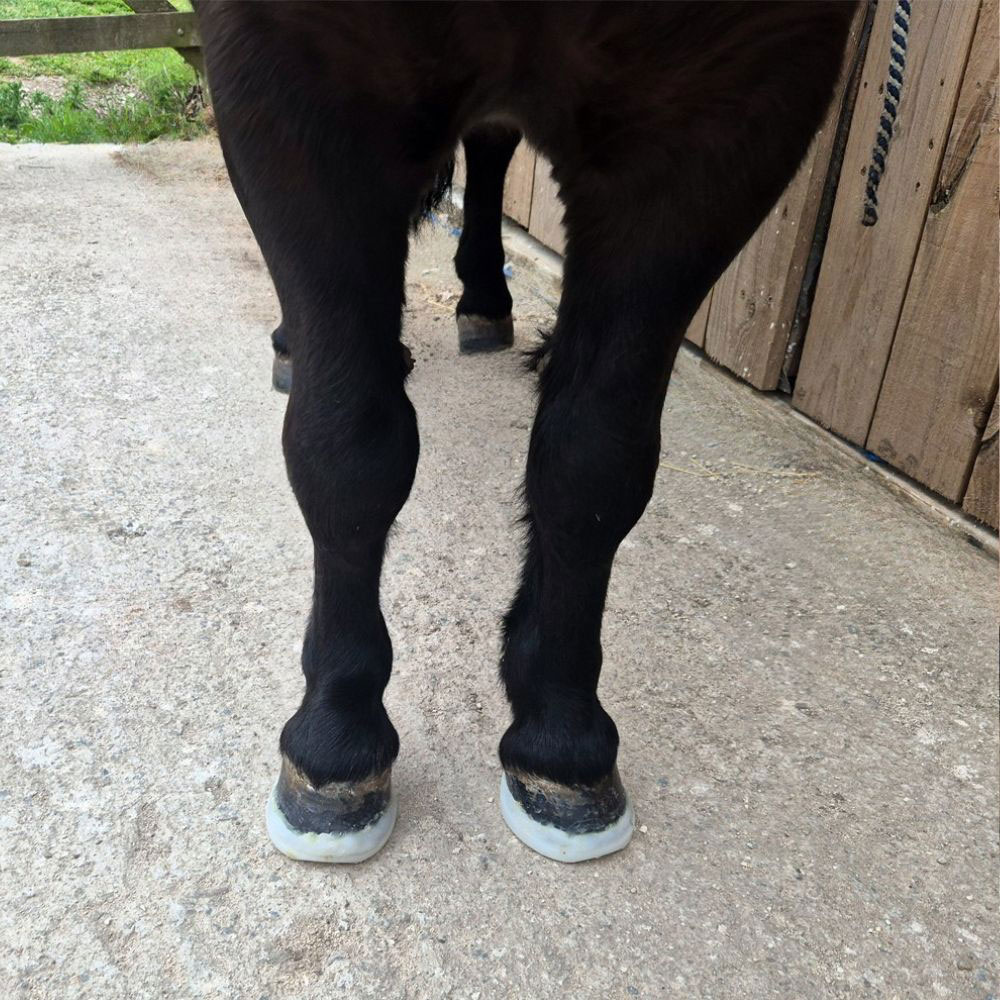
Advances in modern farriery have introduced alternatives to traditional metal shoes. Composite shoes are usually made of plastic and are typically applied with glue rather than nails. This type of shoe offers a number of benefits and can be an excellent option when required.
We have completed specialist training to ensure these shoes are applied correctly for the best possible results.
A variety of composite shoes are included within this price option. However, certain specialised remedial shoes may incur additional charges — we will always notify you of this before your appointment.
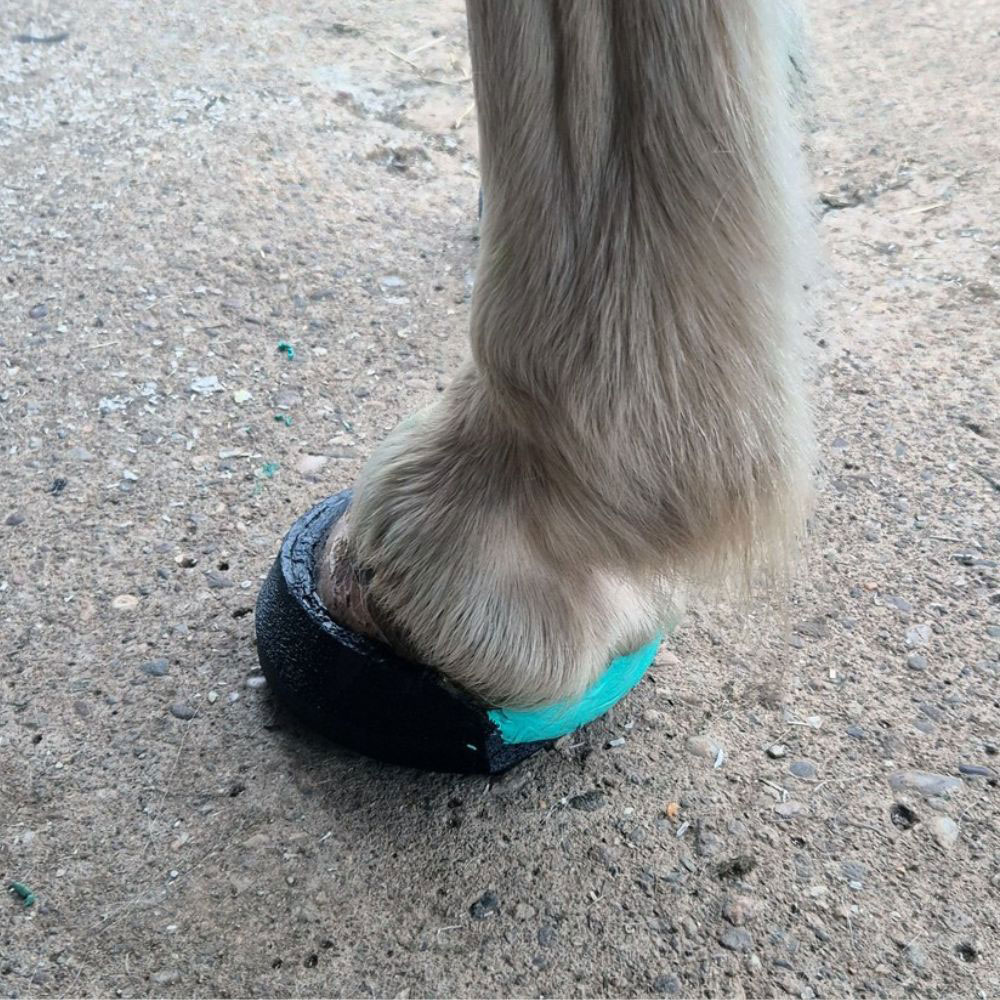
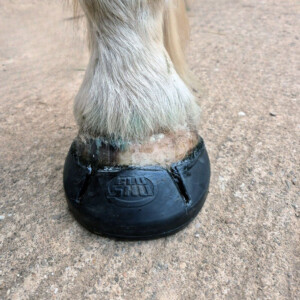 Both metal and composite horse shoes can be successfully applied using specialist glues. In farriery there are three main families of glue: methyl methacrylate, polymer urethane, and cyanoacrylate. We select the type most appropriate for your horse’s needs and your specific objective.
We have undertaken in-depth training and gained extensive experience with these products, so we know how to prepare, apply, and use each glue correctly to achieve consistent, reliable results.
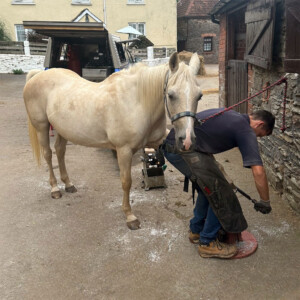 This section lists our general shoeing products. If you need something that isn’t included here, please feel free to ask and we will probably be able to help. For remedial shoeing see additional services below.
Prices for our shoeing products and services can be found on our Prices page.
Gallery
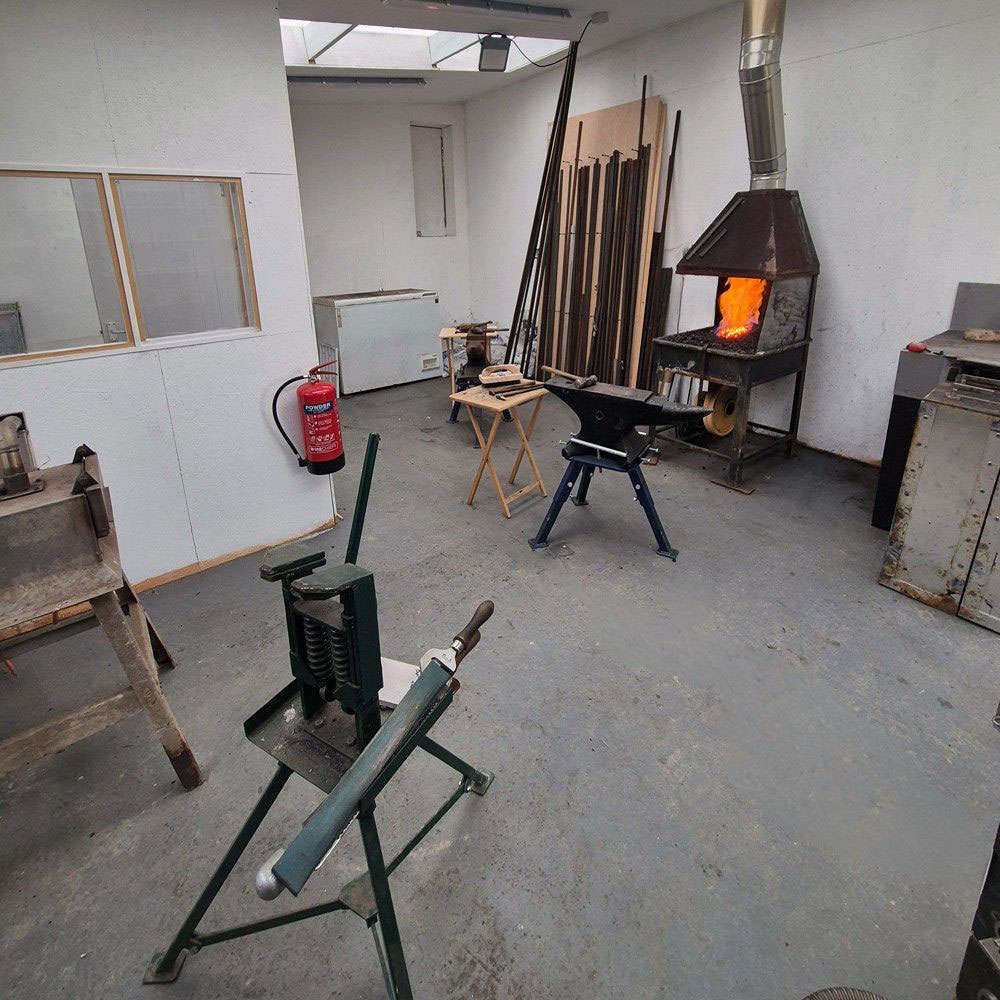
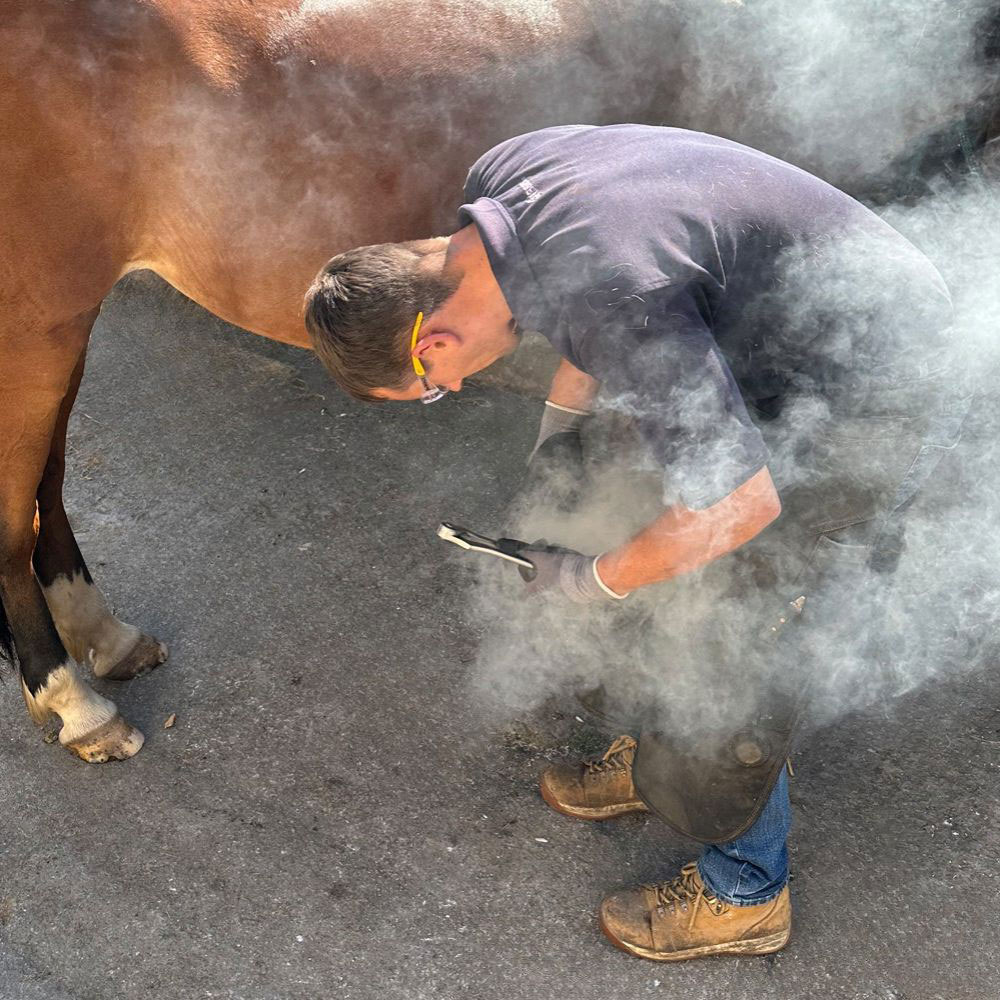
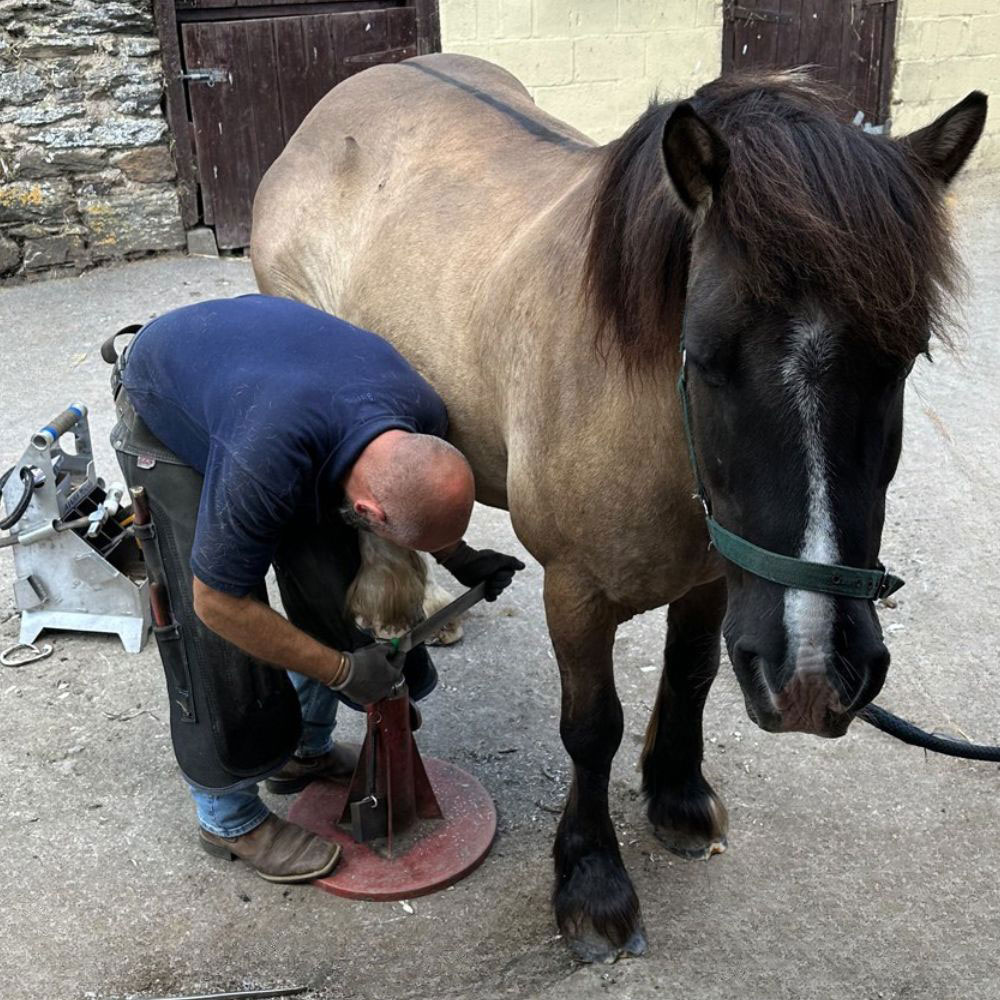
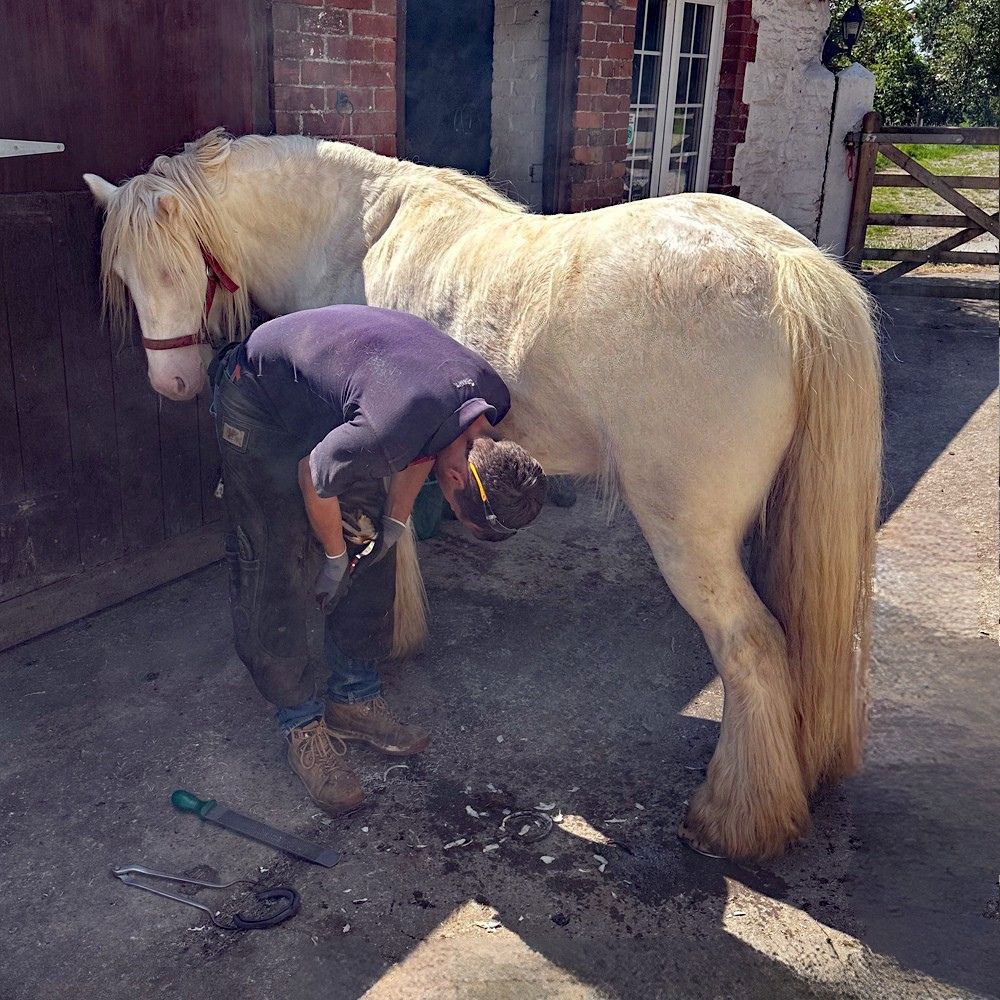
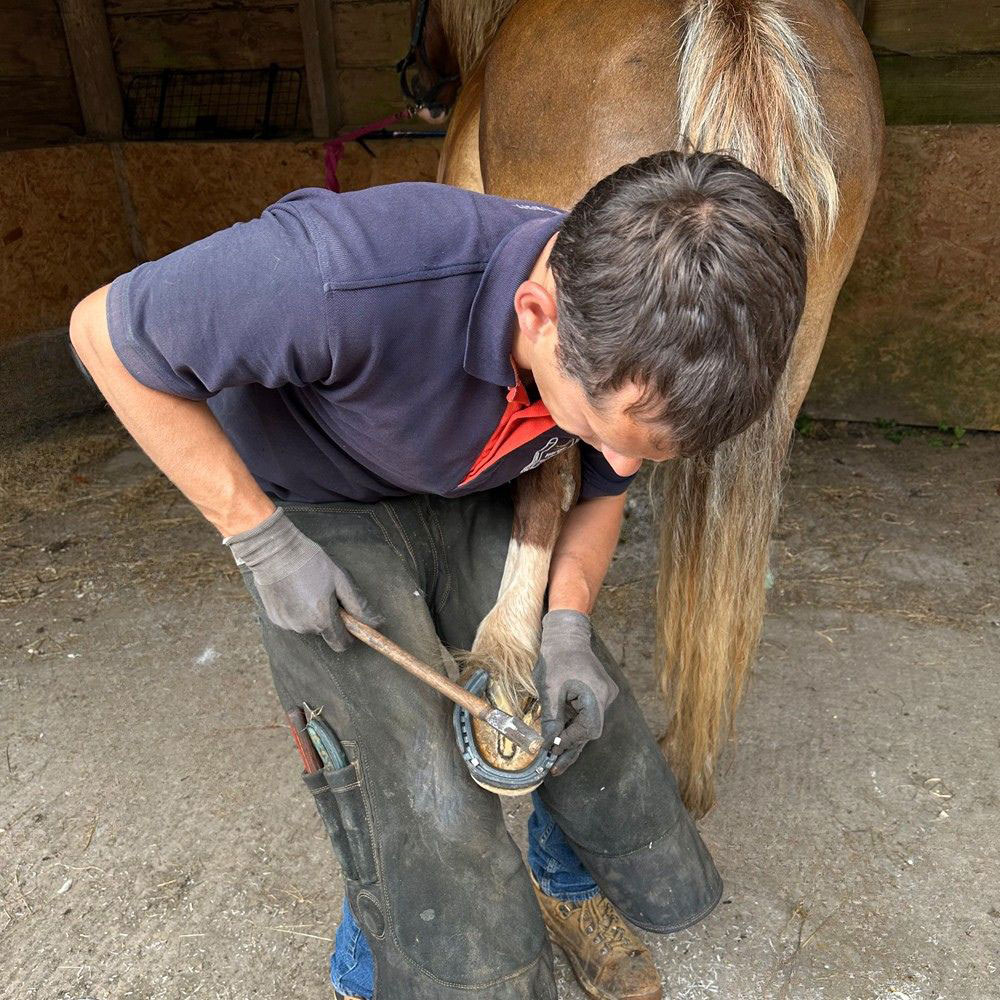
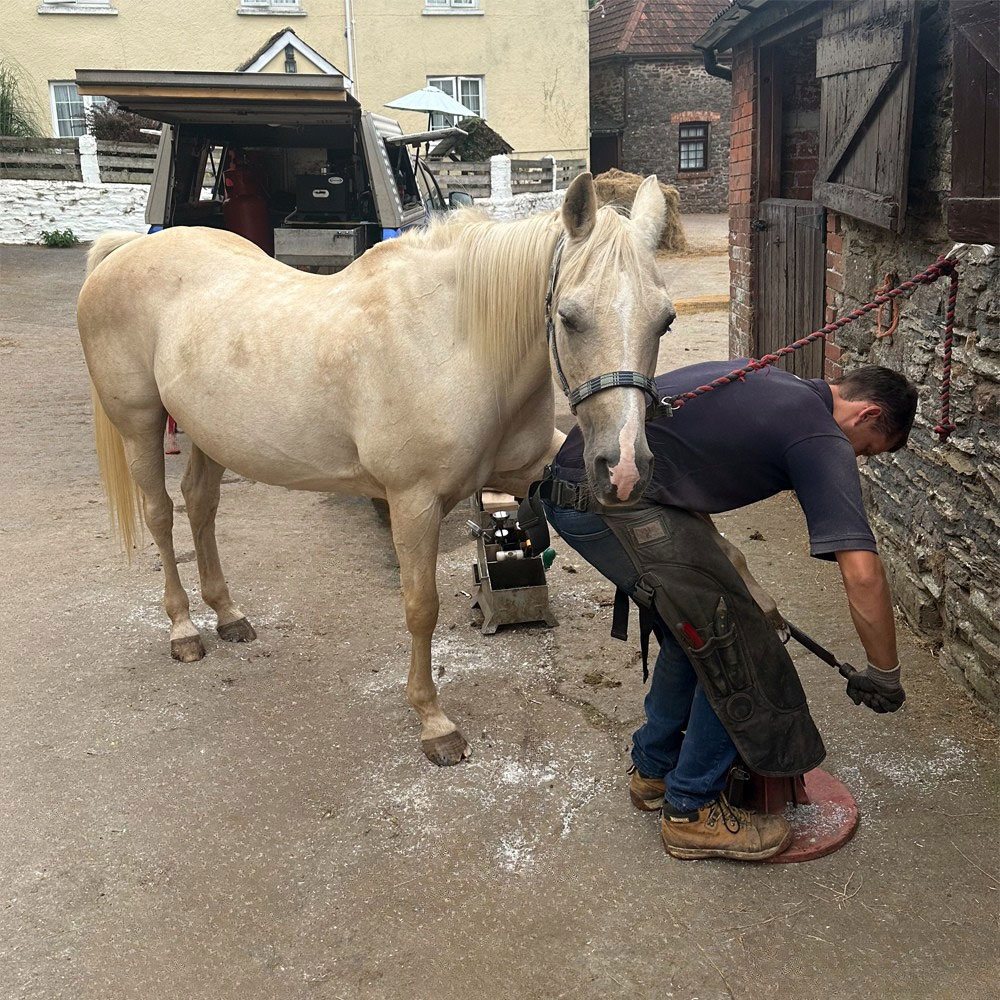
Have a look at the gallery below to see some different types of shoe, remedial shoeing and examples of our work.

















Additional Services
We also offer Barefoot Trimming and Hoof Boot Fitting. All costs are detailed on our Prices page.